Contracted To Medical Aids
While our rates are above medical aid, we work with them to help cover treatment costs.

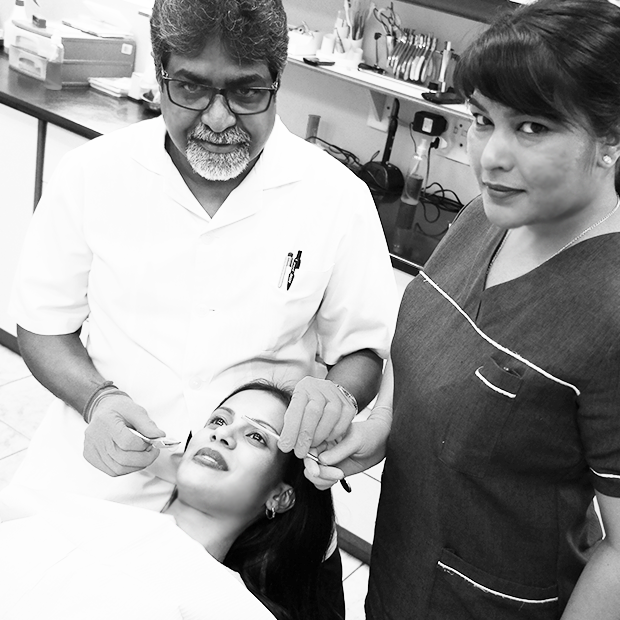
While our rates are above medical aid, we work with them to help cover treatment costs.
We have three centrally located practices to ensure you can get treated close to home.
Our team has a combined experience of more than 50 years in the Orthodontics industry.
Every practice is equipped with state of the art equipment of international standards.
Various treatment options are available. We will show you whats best for your individual case.
We care about our patients. 90% of our patients have been referred to us by their friends & family.
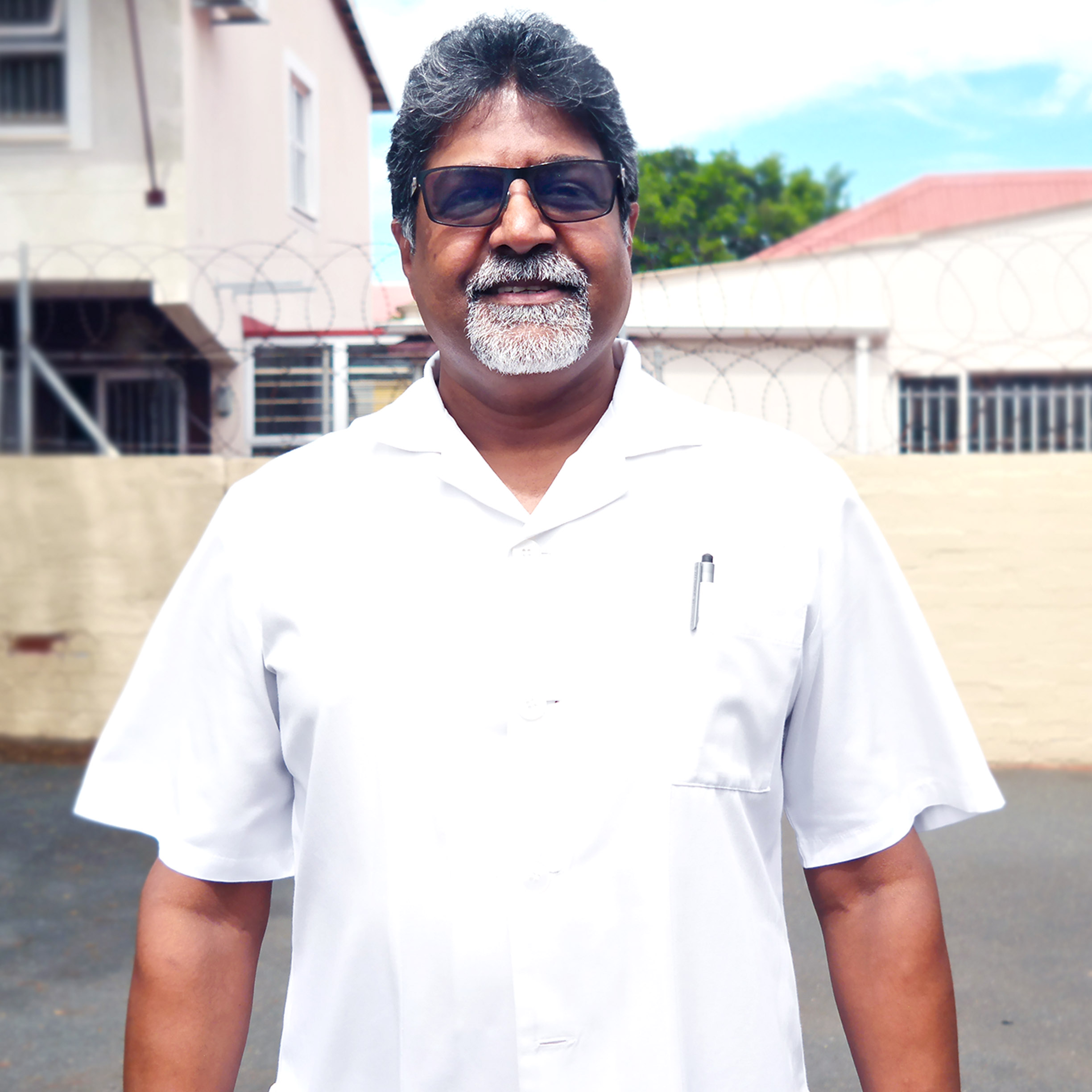
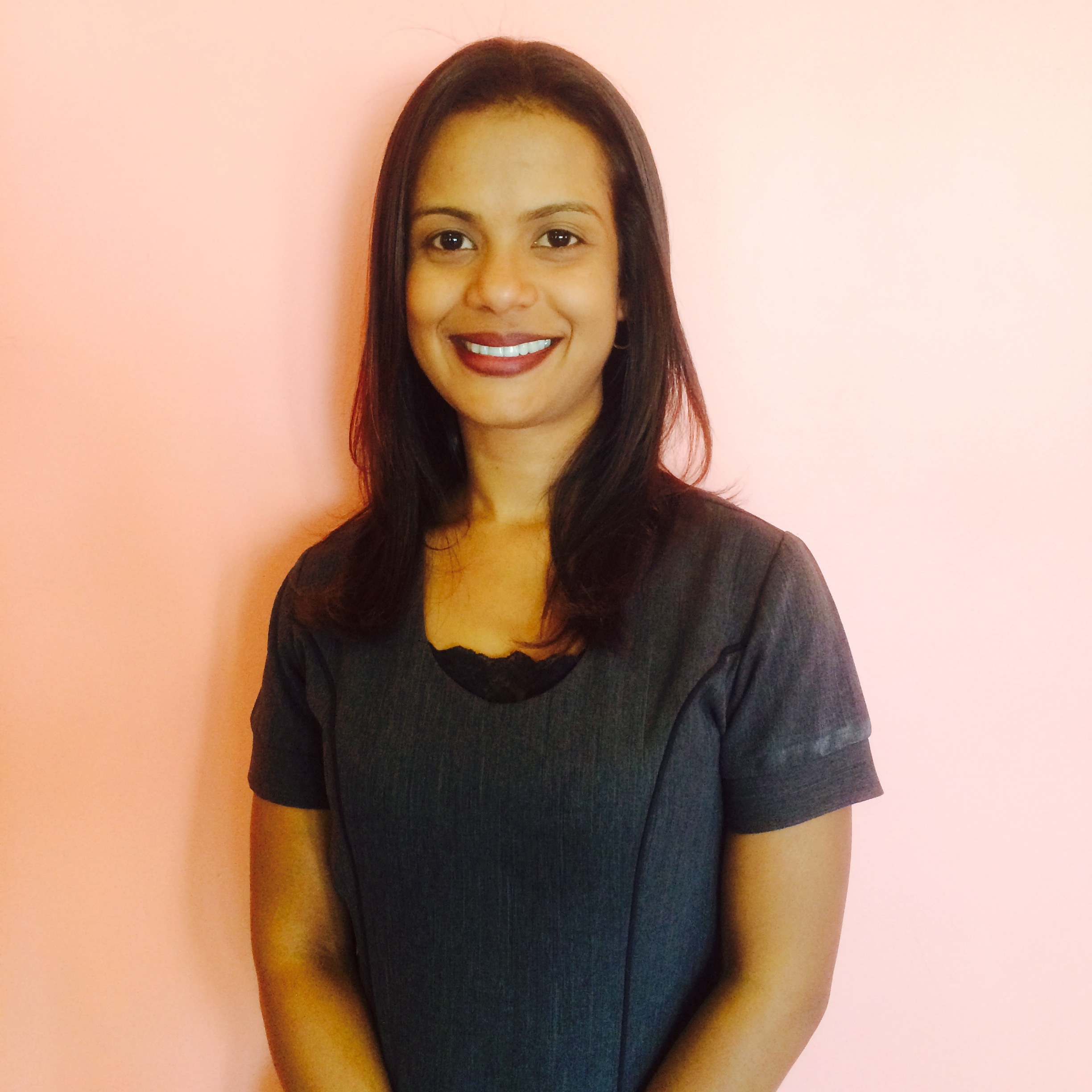
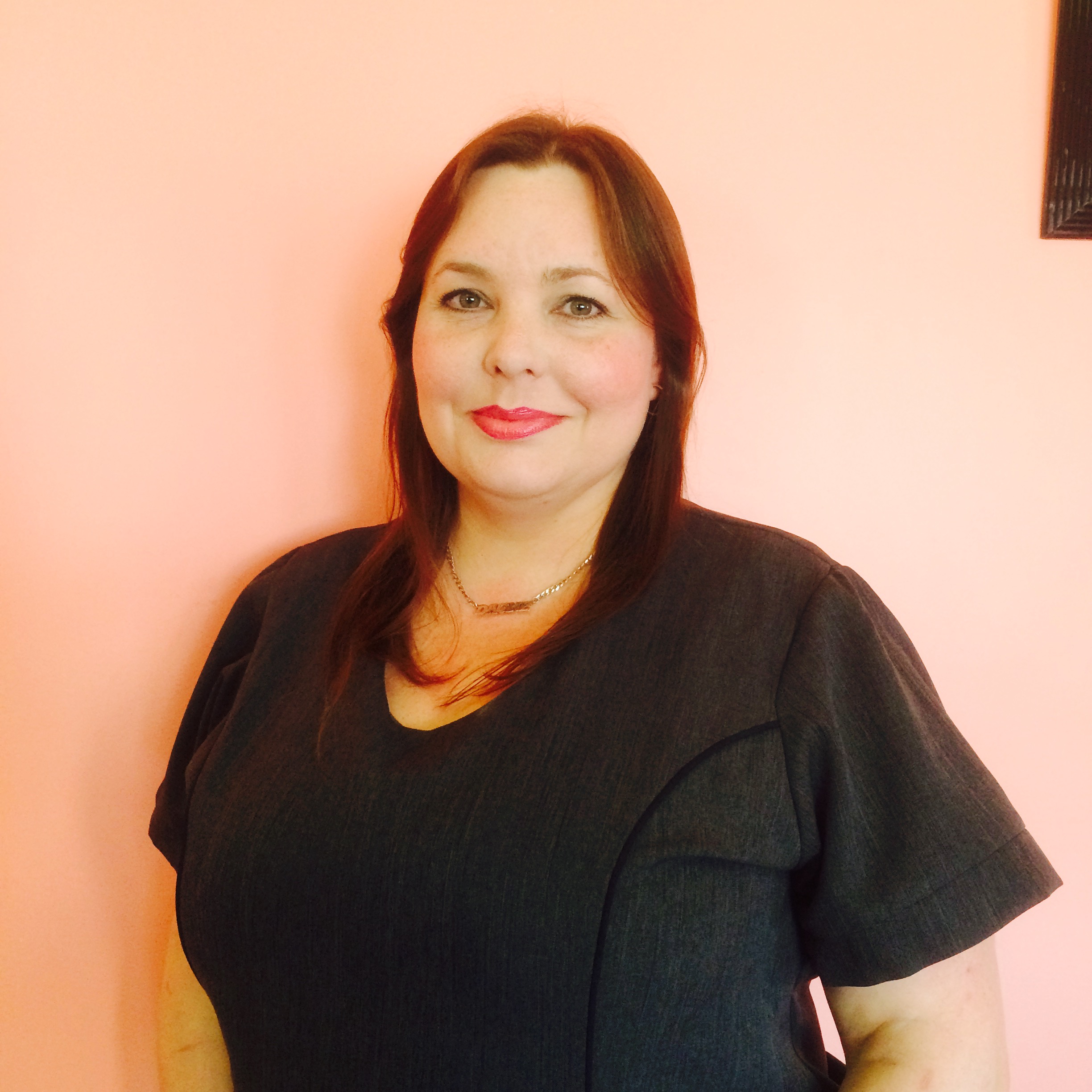




This is a technique used to straighten teeth using special brackets which have the correct angulation slot and torque. Each bracket is unique to the tooth it is used for. These brackets are cemented onto the teeth in a very accurate position and then the wire which is shaped in an arch are placed onto these brackets forcing them to return to its original shape which exerts a corresponding force on each tooth until the wire becomes passive. These wires are changed during treatment going from a soft round wire to a square wire and eventually a very stiff wire. Correctly placed brackets ensure perfect results and therefore are only placed by Dr Sundrum himself. Find Out More
The Damon technique uses the most biological sensible light forces for treatment. This is a self-ligating System and uses very low forces to move teeth and therefore do not require rubber bands on teeth hence promoting better hygiene. This system allows us to treat, in most cases, patients without extractions or surgical intervention which is a great advantage to patients. These braces promote shorter treatment times and fewer visits to your orthodontist approximately every 6-8 weeks. The Damon Technique works beautifully for both adults and children. Our practice uses the Damon System the most, they are less noticeable and even come in clear brackets, which works great for those concerned about aesthetics. Find Out More
Dr Sundrum also offers lingual braces also known as “invisible braces” as they are stuck on the inside of your teeth. This is one of the great ways of having your teeth straightened without anyone knowing you have braces on. They are silver in colour and look similar to conventional braces but are designed differently to sit on the inner surface of your teeth. As lingual braces are still attached to each tooth, the orthodontist still has full tooth control over tooth movements. These braces cost more than traditional braces. Not all orthodontists offer them and neither can all orthodontic cases be treated with them.
Invisalign is an alternative to traditional braces. This method of treatment uses no braces at all, instead your treatment includes a series of clear, removable, custom made aligners to gradually move your teeth into their desired positions. As they are clear, they are almost invisible and easy to use. They are removed when eating and brushing and as a result promotes good oral hygiene. Invisalign promotes less treatment time and works with minor and extensive treatment plans including overbites, underbites and even cross-bites. This is a very exciting way of having your teeth straightened and you never have to feel conscious of smiling during treatment.
The Twin Block appliance is used to correct the appearance and functionality of a protruding upper jaw and a relatively small lower jaw. The appliance is made up of an upper and a lower component. These plates free the lower jaw to grow to its full potential and the upper plate has an expansion screw which also widens the upper arch at the same time. It is mainly used in children who are at their growth stage for treating an under developed lower jaw (mandible). This form of treatment is usually followed by full braces later on.
There are many different types of appliances that can be used for early treatment in children. This can correct the alignment of their teeth and thus avoid major problems that may occur during growth. Removable appliances can also change and correct the growth of your child's jaw so that the surrounding muscles are properly positioned for optimal health and aesthetics. They can either avoid having braces or can be used as the first part of treatment followed by braces. For this treatment to be successful the removable appliance needs to be worn 24 hours.
After your orthodontic treatment is finished you will need retainers to hold your teeth in their new positions, as it takes time for the bone around your teeth to reach stability. This is the most important part of treatment to avoid relapse. There are many different types of retainers for eg: -A Hawley retainer (which can be made in different colours to make it fun for kids) -A clear aligner retainer which is almost invisible -A fixed wire on the inside of your teeth The type of retainer you get depends mainly on the type of braces you chose for your treatment.
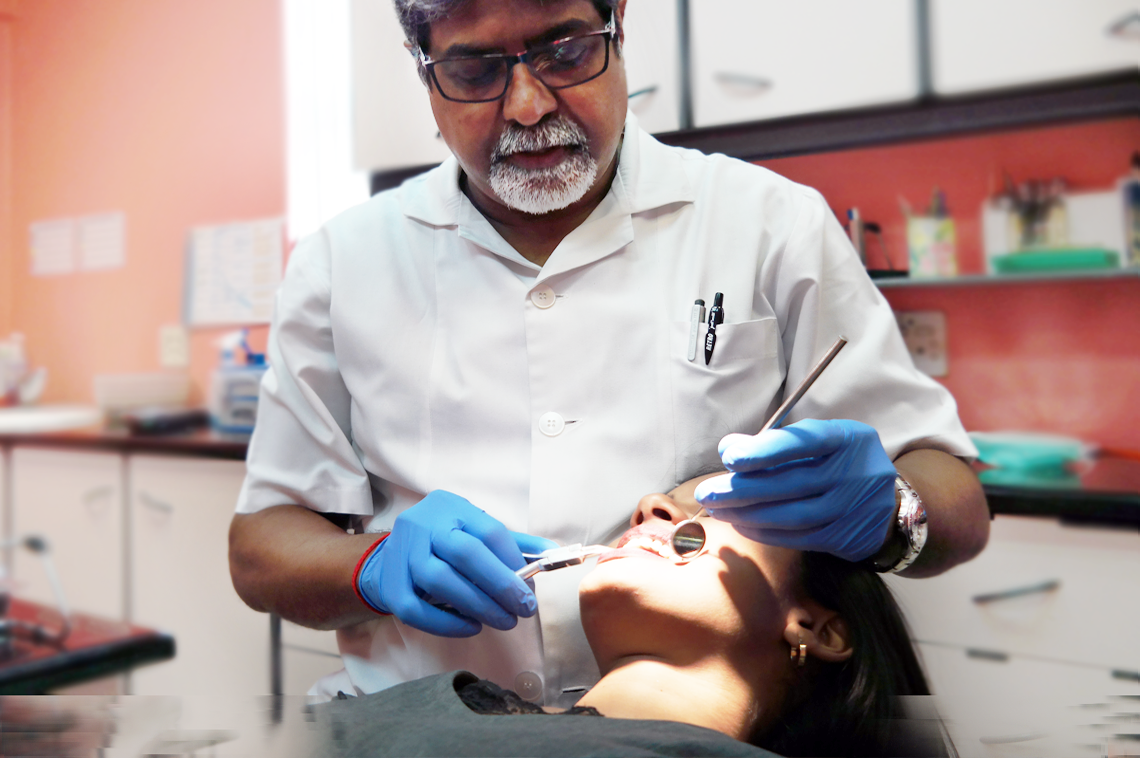
Early treatment (also known as Phase-One) typically begins around age 8 or 9, (Phase-Two will begin around age 11 or older). The goal of early treatment is to correct the growth of the jaw and certain bite problems, such as underbites and cross-bites.
Early treatment also helps to make room for permanent teeth to come in properly, lessening the chance of extractions in the future. We have years of experience in child orthodontics and have helped 1000's of families in South Africa to attain the perfect smile.
Healthy teeth can be moved at any age, so there's no such thing as “too old” for braces. In fact, nowadays about one out of every five orthodontic patients is an adult.
Teeth can shift with age - because of injury, a condition called tongue thrust, or natural growth – and some adults find that their previously straight teeth have become crooked and overcrowded. They may start experiencing jaw pain, having difficulty properly cleaning their teeth, or simply facing a smile they find unattractive. Other adults get braces because they've always had crooked teeth, but their parents couldn't afford to pay for braces when they were growing up. Finally, some people say they're just getting around to it, or that they want straighter teeth for a new career.
Orthognathic surgery involves both the orthodontist and the maxillofacial surgeon. The orthodontist first aligns the teeth in both upper and lower arches and thereafter the maxillofacial surgeon aligns the jaws into the proper position. Corrective jaw, or orthognathic surgery is performed by an oral and maxillofacial surgeon (OMS) to correct a wide range of minor and major skeletal and dental irregularities, including the misalignment of jaws and teeth. Surgery can improve chewing, speaking and breathing. While the patient's appearance may be dramatically enhanced as a result of their surgery, orthognathic surgery is performed to correct functional problems. There is also the option of surgery first then braces which is then a little faster in overall treatment time. Certain selective cases can have this option.
Oral hygiene instruction is essential in all cases of orthodontic treatment, and the use of adjuncts such as power or electric toothbrushes, interproximal brushes, chlorhexidine mouthwashes, fluoride mouthwashes, and regular professional cleaning must be reinforced. However, patient motivation and dexterity are vital in the success of oral hygiene.
>

It is highly recommended for children to consult an orthodontist as early as seven years old. At this point the orthodontist can evaluate your child and even correct growth of the jaw if needed and certain bite problems eg: overbite and cross-bites etc. This may even save your child from having surgery as an adult.
Oral hygiene is of utmost importance with braces and we take this very personally. The health of your teeth is always our priority and therefore we give you instructions as well as a starter kit on the day that you have your braces put on. You need to maintain good oral hygiene during treatment to avoid your teeth from being decalcified or from having cavities. Therefore regular cleanings with your hygienist is recommended.
Braces can be done at any age from young to adult. You are never too old for braces. Our practice caters for all age groups and we have a variety of patients ranging from little kids to adults in their 60’s. It is never too late to make a good change to improve the quality of your life.
If you feel that yours or your child's teeth look skew or crooked then you should see an orthodontist. Usually if you have regular dental checkups your dentist should able to pick this up and refer you to an orthodontist. We believe that there is nothing more important than a beautiful smile to brighten up your life. Sometimes it's to improve the aesthetics and sometimes it's to improve the health of your teeth, either way you can only gain from braces.
It is common for children born with clefts to have crooked teeth or irregular teeth. There are a few stages for treating a patient with a cleft palate. The first stage involves using early braces. Usually the patient has a cross-bite where the upper teeth fits inside the lower teeth and a short course of treatment can be started to straighten and correct the cross-bite. This may be followed by some form of surgery. More braces may be needed once all the permanent teeth are present in the mouth.
Medical aid may not pay for your complete treatment depending on which medical aid you have. Therefore, we design a specific payment plan for you. This plan together with your medical aid payments make it easy for you to afford braces and thus afford to look beautiful.
Treatment times varies for each patient. It can go from three months to two years and may sometimes take longer depending on some other factors for eg: patient's commitment to treatment etc. missing appointments and breakages may also prolong treatment time.
100 CLARK ROAD
GLENWOOD, DURBAN
4001
Tuesdays &
Wednesdays only - 8am to 4:30 pm
Sun: Closed
sundrum@iafrica.com
P: 031-2028751
FAX: 031-2028768
10 DAVIS STREET
PIETERMARITZBURG
3201
Mondays 8:00am to 3:30pm
Fridays: 8am to 4pm
Sun: Closed
sundrum@iafrica.com
P: 033-3424834
FAX: 033-3424860
340 FLORENCE NIGHTINGALE ROAD
WESTCLIFF, CHATSWORTH
Thursdays: 8am to 4.30pm
Sun: Closed
sundrum@iafrica.com
P: 031-4010917
FAX: 031-4021357


